Found a Paper with Strange Symbols? What to Do in Islam
Found unfamiliar symbols on paper? Explore Islamic rulings, differences over Qur’anic amulets, respectful disposal and the limits of what a paper proves.

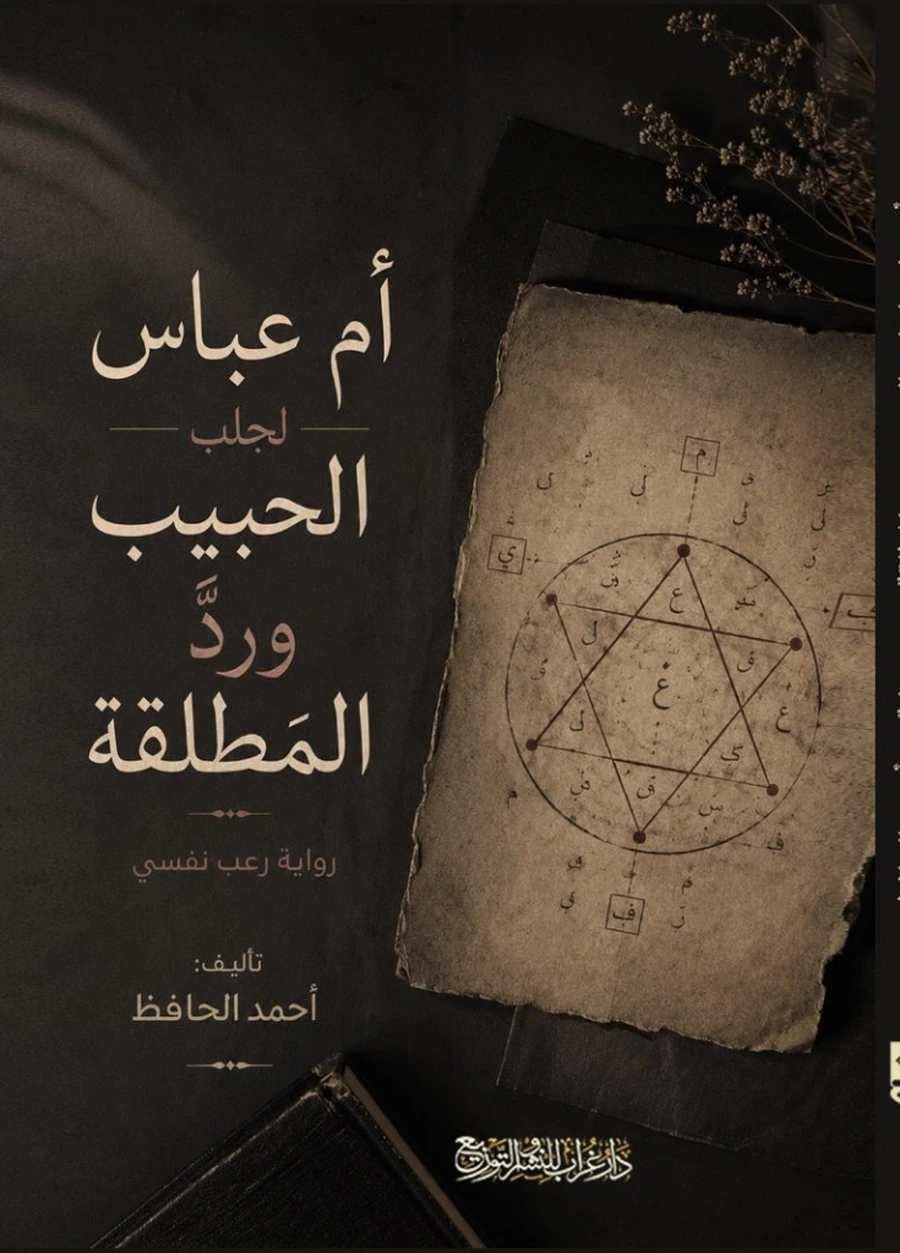
An Arabic psychological-horror novel by Ahmed Alhafiz about symptoms interpreted through neurological, psychological, or spiritual frameworks.
“Umm Abbas” begins with a question its characters cannot settle: what happens when the same experience can be read in two ways—through neurological or psychological illness, or through spiritual influence?
The novel stages disturbing sleep, voices, seizure-like episodes, memory gaps and altered reality as signs whose meaning changes with time, culture and the framework used to explain them. Within its fictional world, the possibility that a dark force could imitate illness or interfere with bodily perception remains open, without becoming a medical claim or a final answer.
The horror lies in the distance between a symptom and its cause, and in the possibility of error in both directions: forcing every unknown into a spiritual verdict, or treating a medical label as if it closed every question. Linked research examines the medical, historical and cultural phenomena through independent sources; the novel is never used as factual evidence.

These questions grew from broad themes in the manuscript and were rebuilt from external sources. The relationship is thematic and editorial; it is not proof for every detail in the manuscript.
Found unfamiliar symbols on paper? Explore Islamic rulings, differences over Qur’anic amulets, respectful disposal and the limits of what a paper proves.
Do headaches, fatigue or setbacks prove the evil eye? Explore Islamic texts, the limits of symptom lists, envy research and appropriate care.
Can a photo be used for magic? Read the Islamic sources, what psychology studies actually measured, and practical steps for handling threats.
What is a qareen in Islam? Explore hadith, scholarly views on mind-reading and control, and the limits of interpreting intrusive thoughts.
Is water at your door evidence of sprinkled sihr? Explore Islamic sources, fear and symptoms, and safe responses to unknown substances.
Do love spells work? Examine the evidence, Ibn Baz's ruling, ruqyah and what success stories can establish about bringing someone back.
Does dreaming of jinn mean possession or magic? Explore Islamic teachings, frightening dreams, sleep paralysis and when recurring nightmares need help.
What is Shams al-Ma'arif, and is reading it haram? Explore its authorship, Ibn Baz's ruling, claims about jinn, and research on fear and expectation.
A complete sourced guide separating observed symptoms, clinical diagnosis, spiritual interpretation, historical change, and the novel’s fictional question.
How an ambiguous event can become family fear, premature certainty, authority transfer and consent erosion—and how to interrupt the chain.
A safeguarding framework separating voluntary support from isolation, coercion, financial abuse, non-consensual touching, and delayed care.
Medical-cultural brief on REM atonia, chest pressure, sensed presence, and when to seek assessment.
Medical evidence brief on diagnostic differences, video-EEG, coexistence, and the limits of judging by appearance.
Arabic analytical guide to where psychological fear is located in a narrative.